Commodities - 5 min read
Oil Prices Plunge on Draft US-Iran Peace Talks
Oil prices plunge nearly 8% as US-Iran peace talks in Doha produce a draft proposal, easing global supply fears ahead of the US midterm elections.
FinStackX Editorial Team ·
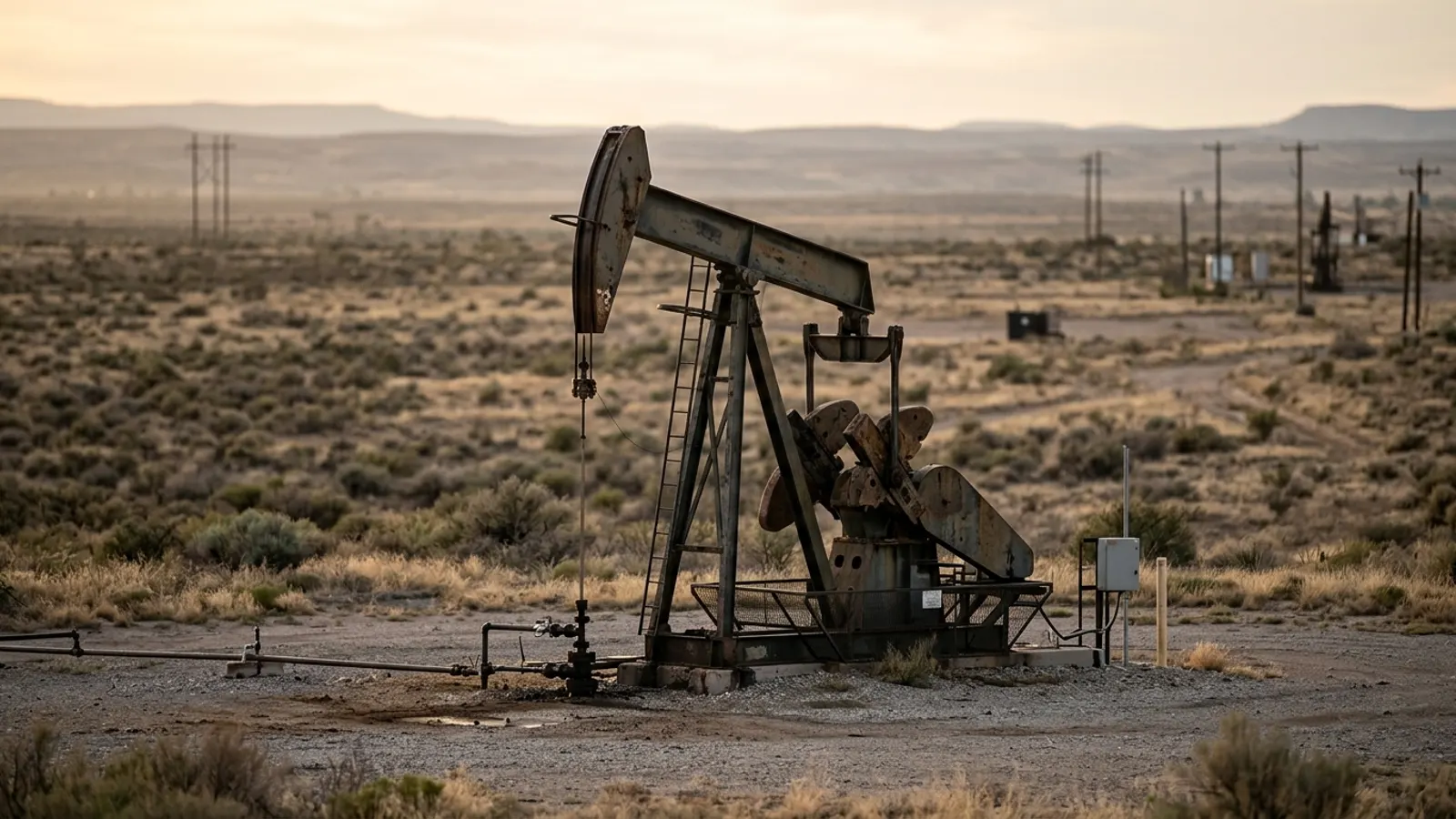
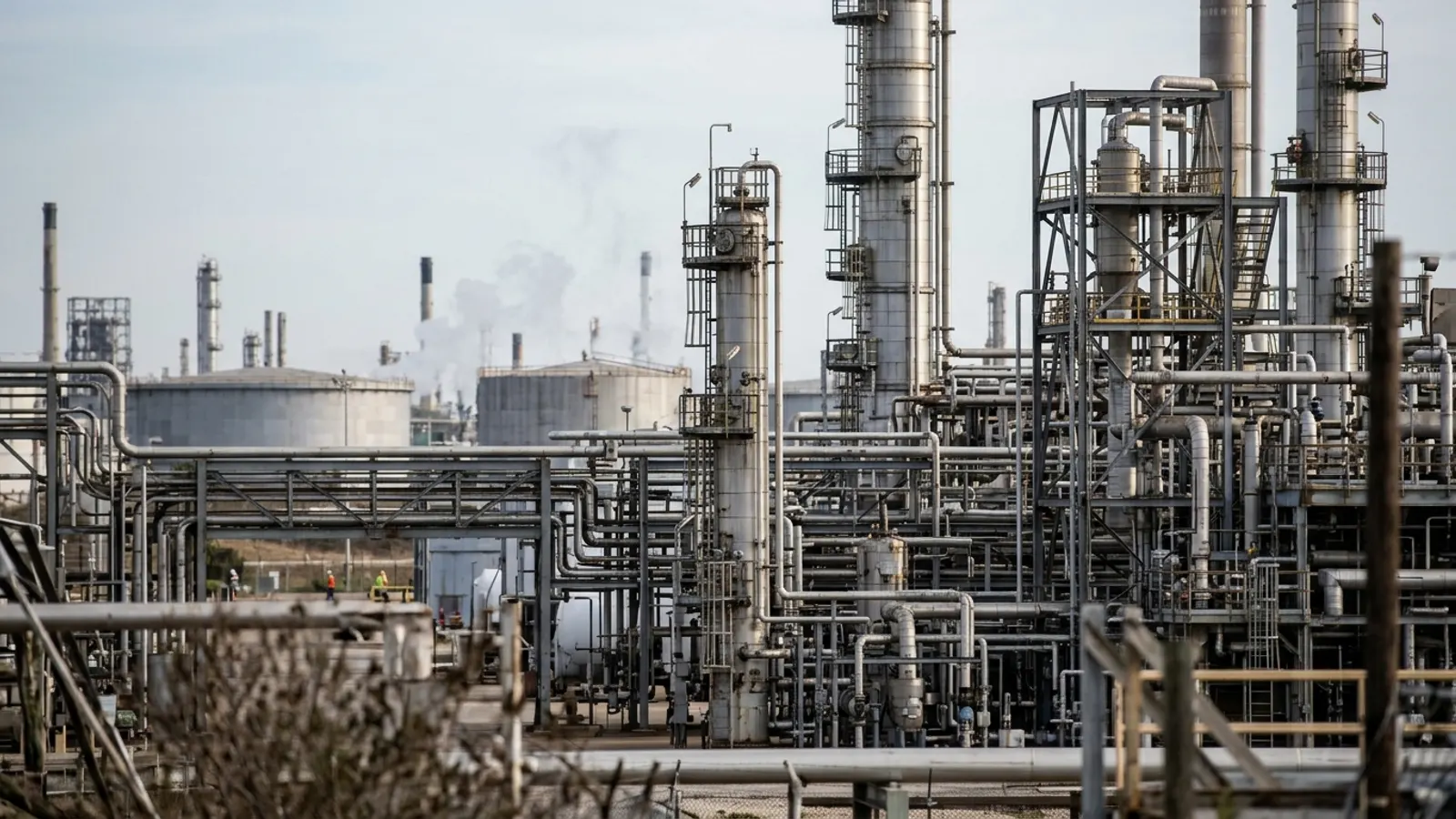
Global oil prices plunged nearly 8% on Monday, November 2, 2026, driven by reports that a draft diplomatic framework is circulating to end the eight-month U.S.–Iran war. The potential unblocking of the Strait of Hormuz sent global equities climbing while cooling inflation fears across the US, UK, and Europe.
What happened: Why oil prices plunge today
Energy markets experienced a sharp sell-off on Monday as geopolitical risk premiums evaporated. By 12:24 p.m. EST, the January 2027 contract for Brent Crude Futures had fallen $8.47 (7.47%) to $104.96 per barrel, hitting an intraday low of $104.49, according to Reuters and Baird Maritime. West Texas Intermediate (WTI) crude for December delivery mirrored the drop, falling $7.50 (7.2%) to $96.62 per barrel.
The headline declines were slightly amplified by a technical futures rollover—when the active trading contract shifts to the next month. According to ENGINE, the expiring December Brent contract settled Friday at $117.64, while the January contract opened Monday near $111.00, accounting for roughly $7.00 of the drop before intraday spot selling accelerated.
The primary catalyst was news that Iranian negotiators had concluded three days of indirect talks with Qatari mediators in Doha. An official briefed on the discussions confirmed that a draft proposal is now circulating among the parties, as reported by Quartz. Iranian President Masoud Pezeshkian confirmed via state media that Supreme Leader Ayatollah Mojtaba Khamenei had granted the administration authority for peace negotiations, according to CBS News.
Why it matters
The eight-month conflict has severely disrupted global energy supply chains. Iranian Foreign Ministry spokesman Esmaeil Baqaei stated on Monday that Tehran is considering a conditional two-day timetable to restore navigation security through the Strait of Hormuz. In exchange, Washington must lift its naval blockade, unfreeze over $6 billion in Iranian assets, and reduce regional force deployments, according to The Guardian and Anadolu Agency.
However, conflicting signals remain. Over the weekend, US Secretary of State Marco Rubio noted that President Donald Trump "prefers to resolve the conflict without military force," though no final decision has been made. Meanwhile, Vice President JD Vance reportedly transmitted a letter to Iranian officials exploring engagement terms.
Despite the diplomatic optimism, the physical reality on the water remains tense. The UK Maritime Trade Operations (UKMTO) documented two fresh vessel strikes over the weekend in the Strait of Hormuz and the Persian Gulf, according to Moneyweb.
Market reaction
The prospect of cheaper energy rippled across global asset classes, boosting equities while dragging down government bond yields.
| Asset Class | Index/Asset | Price/Level | Daily Change | Time/Source |
|---|---|---|---|---|
| Equities (US) | Dow Jones Industrial | +517 points | +1.0% | 1:18 p.m. NY (Bloomberg) |
| Equities (UK) | FTSE 100 | 10,761.33 | +0.3% | Nov 2 Close (AJ Bell) |
| Bonds (US) | 10-Year Treasury | 4.87% | -6 bps | 1:18 p.m. NY (Bloomberg) |
| Bonds (UK) | 10-Year Gilt | 5.19% | -9 bps | Nov 2 Close (Midweek Herald) |
| Metals | Spot Gold | $3,957.19/oz | +2.1% | 10:49 a.m. ET (Reuters) |
Equities: US airline and transport stocks rallied on the prospect of cheaper jet fuel, while energy producers fell sharply. In London, the FTSE 100 was dragged down by oil majors Shell and BP, but the domestically focused FTSE 250 surged 1.4%. Asian markets also closed broadly higher, with South Korea's Kospi jumping 2.8%, according to NordFX.
Bonds and Rates: Falling oil prices eased inflation anxieties, causing government bond yields to drop (yields move inversely to prices). The UK 10-year gilt yield plunged 9 basis points (a basis point is one-hundredth of a percentage point) to a six-week low of 5.19%.
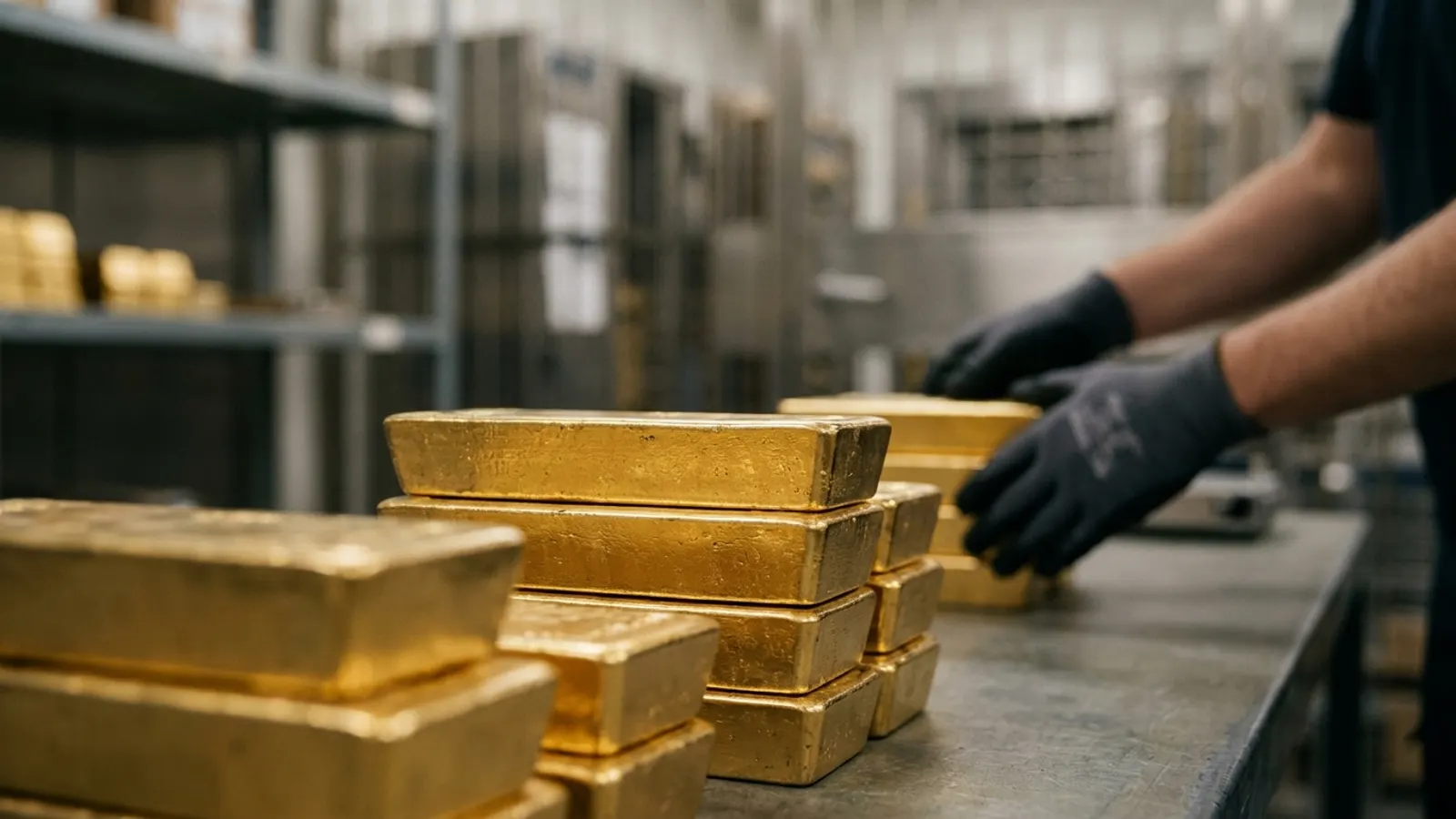
Metals and Crypto: Spot gold surged 2.1% to $3,957.19 per ounce by mid-morning in New York, as easing inflation fears led markets to slightly downgrade the probability of a December Federal Reserve rate hike from 80% to 77%. Cryptocurrencies missed the broader rally, with Bitcoin slipping 0.9% to $77,095.93 following a recent $6.3 billion Binance security incident, according to BeInCrypto.
What analysts are watching next
Financial analysts are urging caution, noting that the geopolitical landscape remains highly volatile.
- US Midterm Elections: Multiple analysts view the November 3 US midterms as the critical variable. Arne Lohmann Rasmussen, Chief Analyst at A/S Global Risk Management, argued the diplomatic signals may be "tactical ahead of the midterm elections" to quell voter anger over high fuel prices, maintaining a "higher-for-longer outlook" for energy.
- Central Bank Moves: The Bank of England meets on Thursday, November 5, where consensus expects a 25 basis point hike to 4.00%, according to AJ Bell. The Reserve Bank of Australia also issues its rate decision this week.
- OPEC+ Quotas: OPEC+ ministers confirmed Sunday that existing December output quotas will remain frozen. Formal decisions regarding the restoration of 2.0 million barrels per day in production cuts will be decided at their November 29 meeting, according to Crux Investor.
What this means for investors
For everyday investors, the plunge in oil prices is a double-edged sword. On one hand, sustained lower energy costs could cool inflation across the US, UK, and Eurozone, potentially giving central banks like the Fed, BoE, and ECB more room to pause or reverse interest rate hikes. This generally supports broader stock market growth and lowers borrowing costs for mortgages and loans.
On the other hand, energy sector investments—a staple in many US 401(k)s and UK ISAs—may face near-term volatility. As Pavel Molchanov of Raymond James noted, "skepticism is warranted after many 'false dawns' over the past several months." If diplomatic talks collapse after the US elections, crude prices could rapidly reverse course.
This article is for informational purposes only and is not financial advice. Markets move quickly; check live prices before making decisions.
Sources
- Reuters / Investing.com
- Baird Maritime
- Anadolu Agency
- Quartz
- CBS News
- The Guardian
- ENGINE
- Moneyweb
- Bloomberg / Swissinfo
- AJ Bell
- NordFX
- Midweek Herald
- BeInCrypto
- Crux Investor
This article is for informational purposes only and is not financial advice. Markets move quickly; check live prices before making decisions.