Explainer - 11 min read
Oil Tops $100 Again: What It Means for You
Brent crude has reclaimed $100 following fresh tanker attacks in the Strait of Hormuz. Here is what higher oil means for mortgages, inflation, and savings.
FinStackX Editorial Team ·
Global crude prices surged back above the triple-digit threshold on Friday, November 6, 2026, as renewed maritime attacks in the Strait of Hormuz reignited severe supply fears. For households across the United States, the United Kingdom, and Europe, sustained triple-digit oil threatens to keep inflation elevated and interest rates higher for longer.
What is happening
Brent crude futures rebounded sharply to trade at $100.30 to $100.75 per barrel on Friday, November 6, 2026, according to reports from Al Mayadeen English and TradeArabia. This marked an intraday gain of +1.67% to +2.50% (+$2.46) over Thursday's settlement of $98.29. U.S. benchmark West Texas Intermediate (WTI) rose +1.43% to +1.8% to trade between $91.66 and $91.69 per barrel, reported İlkha.
The rally swiftly erased a brief post-election slump. Brent had plunged 8.7% to $94.62 on Wednesday, November 4, following the U.S. midterm elections, down from an intraday high of $117.64–$118.00 reached on Friday, October 30, 2026.
| Metric | Level / Move (as of Nov 6, 2026) | Previous Settlement / Low | Source |
|---|---|---|---|
| Brent Crude | $100.30 – $100.75 / bbl (+1.67% to +2.50%) | $98.29 (Nov 5) / $94.62 (Nov 4 low) | Al Mayadeen, TradeArabia |
| WTI Crude | $91.66 – $91.69 / bbl (+1.43% to +1.8%) | $90.52 (Nov 5) / $88.12 (Nov 4 low) | TradeArabia, İlkha |
| Hormuz Daily Transits | ~14 transits / day (-90% vs. baseline) | ~140 transits / day (pre-war) | The OSS Report / Kpler |
| M.E. Liquids Exports | 17.1 million bpd in Oct 2026 | 18.9 million bpd in Sept 2026 (-9.5%) | Reuters / Vortexa |
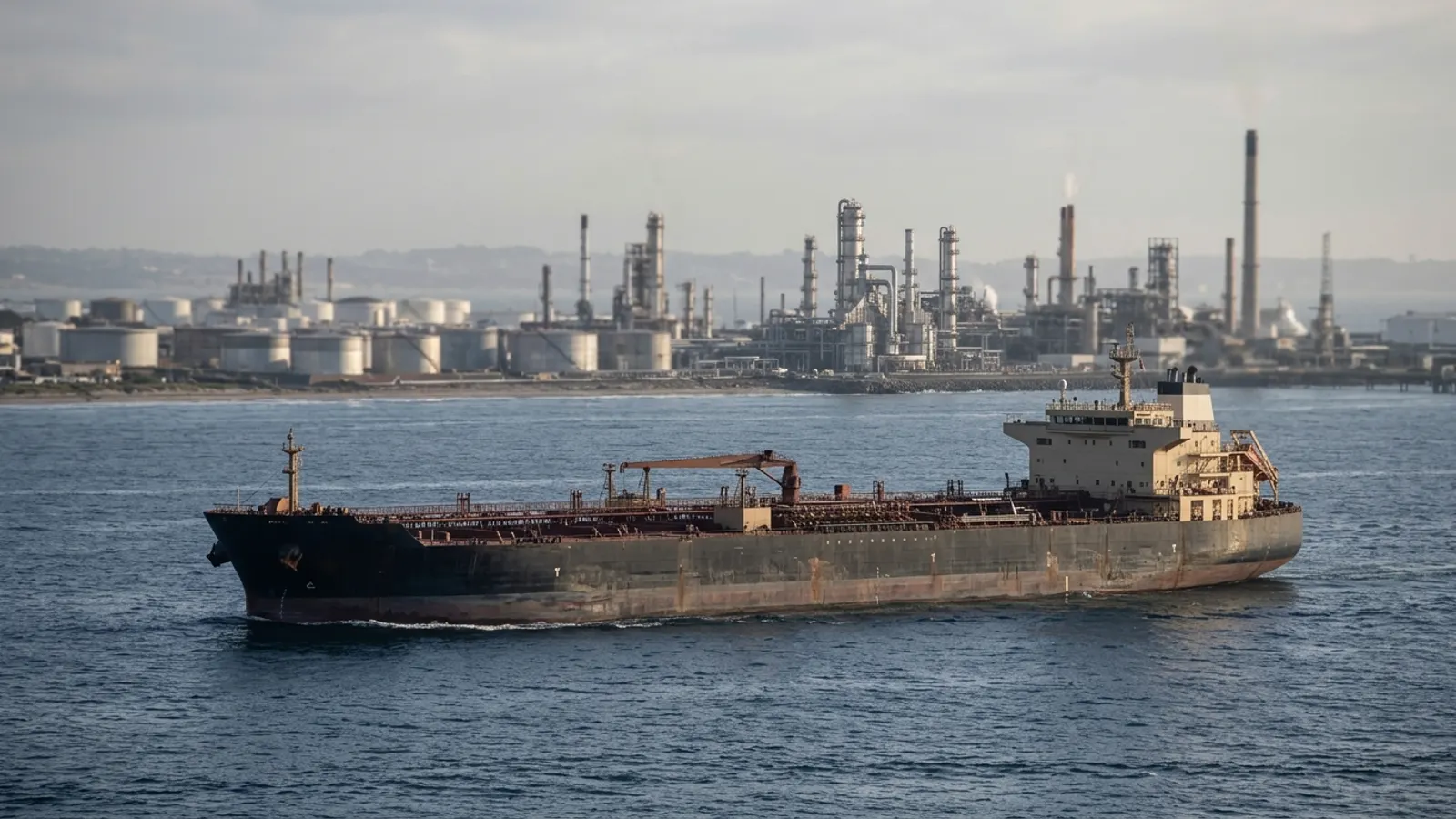
The latest catalyst was a fresh wave of reported maritime attacks. Iran's Islamic Revolutionary Guard Corps (IRGC) Navy claimed on Friday that two commercial tankers struck naval mines—one inside the Strait of Hormuz and one to the east. This followed a Thursday claim by the IRGC that two tankers and a tugboat were set ablaze.
However, independent monitoring agencies note conflicting reports. According to CBS News and the House of Saud Briefing, neither the Joint Maritime Information Center (JMIC), U.S. Naval Forces Central Command (CENTCOM), nor international vessel registries verified the IRGC's November 6 claims, and Iran has not released vessel names or identification numbers. Still, the United Kingdom Maritime Trade Operations (UKMTO) confirmed that at least five commercial vessels faced security incidents between November 1 and November 6, including a tanker struck by two unidentified projectiles 50 nautical miles north of Madinat ash Shamal, Qatar, on November 4. For wider background on earlier movements, see our coverage on Brent crude oil plunge: what it means for you and how Brent falls under $110 as Middle East supply worries ease.
Why oil tops $100 again
The primary reason oil tops $100 again comes down to critical logistics and geopolitical bottlenecks:
The Strait of Hormuz Chokepoint
The Strait of Hormuz is the world's most vital energy transit corridor, typically handling 20% to 21% of global petroleum liquids (around 20 to 21 million barrels per day) and roughly 20% of global liquefied natural gas (LNG), primarily from Qatar. According to commodity merchant Vitol Group cited by Bloomberg, physical transit through the corridor has fallen by roughly 50% of baseline levels. Alternative bypass pipelines across Saudi Arabia and the United Arab Emirates offer under 5.5 to 6.0 million bpd of combined spare capacity, leaving millions of barrels stranded.
Waning Diplomatic Relief
Crude tumbled on November 4 after the U.S. Democratic Party swept both chambers of Congress in the 2026 midterms, fueling market expectations that the White House would wind down Operation Epic Fury (which began in February 2026). U.S. Vice President JD Vance noted publicly that the military campaign was a key factor in voter pushback. Yet renewed missile and mine claims quickly dispelled that diplomatic discount. As Phil Flynn, senior market analyst at The Price Futures Group, noted to Seeking Alpha: "The flip-flopping between diplomacy and escalation risk is exactly what got the crude market spooked... that's why we're seeing continued volatility."
15-Year Low Inventories
There is little room for error. Commercial petroleum inventories across member countries of the Organisation for Economic Co-operation and Development (OECD) sit near their lowest levels in 15 years, according to Al Mayadeen English. The International Energy Agency (IEA) has designated the ongoing Hormuz blockade as the largest single oil supply disruption event in history, noting that releases from Strategic Petroleum Reserves (SPR) provide only temporary, non-structural support.
How it affects the economy
Energy acts as a universal input across global supply chains. Sustained price increases quickly spill over into the broader macroeconomy.
- Inflationary Pressures: Research from ABN AMRO highlights that a sustained $10/barrel rise in crude adds approximately 0.4 to 0.5 percentage points to headline consumer inflation in advanced economies over two quarters. Eurozone headline inflation hit 4.0% year-on-year in October 2026 according to Eurostat, while U.K. headline CPI stood at 3.5% in September 2026.
- Central Bank Rate Tightening: Central banks are responding forcefully to prevent inflation expectations from becoming unanchored. On November 5, 2026, the Bank of England raised its policy rate by 25 basis points to 4.00%—its first hike since August 2023—with Governor Andrew Bailey warning that sustained $100 oil will force further policy tightening. In the U.S., the Federal Reserve executed a rate hike in September 2026, and benchmark 10-year Treasury yield nears 4.93% on midterm vote dynamics, ultimately reaching 4.99%–5.00% on November 6. The European Central Bank (ECB) has delivered two rate hikes in 2026, halting its earlier easing path.
- The Stagflation Drag: The International Monetary Fund (IMF) has termed the conflict an "asymmetric stagflationary shock," estimating a drag of 0.5% to 0.8% on global GDP growth alongside negative real wage growth across OECD nations.
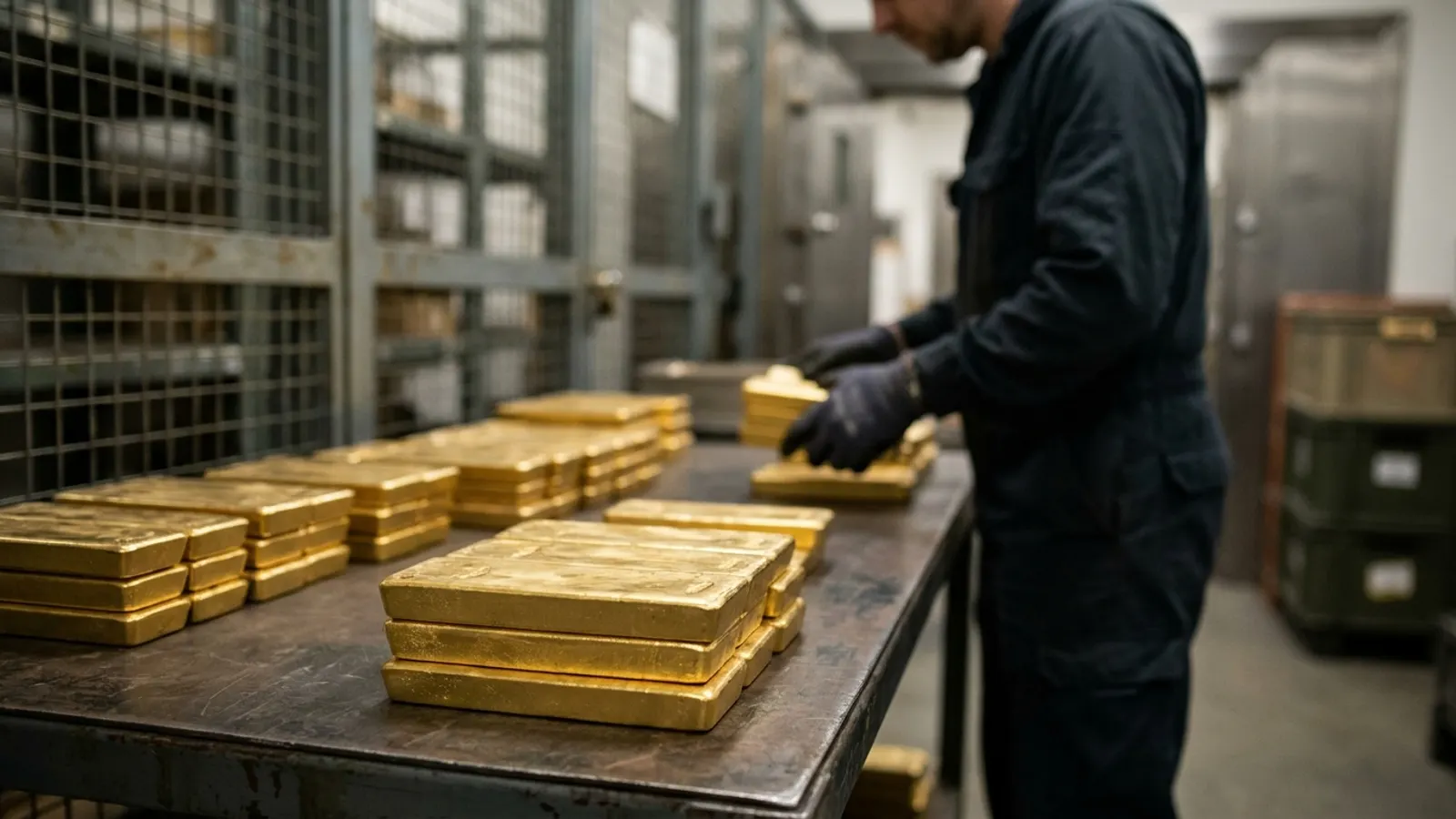
- Foreign Exchange Divergence: The U.S. Dollar Index (DXY) remained elevated between 100.22 and 100.30 as of November 6. Because crude is priced in dollars, European economies face a double hit: paying more per barrel while converting weakened euros, deepening imported inflation. Concurrently, institutional investors and central banks have sought traditional safe havens, with gold reaching $4,378–$4,424 per ounce by late autumn 2026, according to the World Gold Council and Canaccord Wealth.
What it means for you
The everyday impact of triple-digit oil varies depending on where you live and your local borrowing and energy structures.
United States
- Gasoline and Heating: U.S. regular pump prices have climbed to between $3.25 and $4.20 per gallon, up from $2.99 prior to the conflict escalations, according to data compiled by CBS News and GasBuddy.
- Mortgages and Loans: As 10-year Treasury yields touched 5.00%, average 30-year fixed mortgage rates moved up to 6.85%–7.10%.
- Savings & Portfolios: Yields on high-yield cash savings accounts and short-term Treasury bills remain elevated at 4.8%–5.1%. In equity retirement accounts like 401(k)s and IRAs, higher discount rates have weighed on broader stocks, though energy-focused funds have shown resilience.
United Kingdom
- Energy Bills and Fuel: Pump prices for petrol have increased by roughly 18p to 22p per litre. The House of Commons Library projects that the Ofgem energy price cap could rise by 12% to 15% heading into winter 2026–2027.
- Mortgage Borrowing: Following the BoE's rate hike to 4.00%, typical 2-year and 5-year fixed mortgage products have climbed past 5.25%–5.60%.
- Savings and Pensions: Instant-access cash savings accounts and cash ISAs have adjusted upward toward 3.4%–3.85%. Defined benefit pension schemes saw slight improvements in funding ratios from higher yields, while defined contribution pots faced headwinds from compressed corporate margins.
Europe
- Household Bills: Direct household energy inflation rose 9.8% year-on-year in the eurozone according to Eurostat. Agricultural production costs have also climbed, with energy accounting for up to 64% of variable farm input changes according to the World Bank.
- Borrowing Costs: In countries where variable mortgages dominate, such as Spain, Portugal, and Italy, loan repayments have climbed as the 12-month Euribor stabilized above 3.45%.
- Savings: Average retail deposit returns across the bloc linger between 2.50% and 3.00%, lagging behind the 4.0% headline inflation rate and resulting in negative real returns.
How this could play out
Analysts see several paths forward depending on naval security and international diplomacy. These are potential scenarios rather than certain forecasts.
Scenario 1: Prolonged Blockade ($110–$125+ Oil)
Under this scenario, physical tanker disruptions continue without functional naval escorts or safe passage agreements. Bob McNally, president of Rapidan Energy Group, places the probability of protracted and escalatory military operations at 80%, noting to BigGo Finance that crude will structurally hold above $100 until escorts or diplomatic solutions materialize. Political risk firm Eurasia Group assigned a 30% chance to an attritional maritime standoff, estimating Brent could climb to $110.00–$125.00 if mediation efforts collapse. Under this trajectory, the Bank of England warned in its November report that an adverse $130 oil scenario could push U.K. inflation to 6.2%.
Scenario 2: High War-Risk Range ($95–$105 Oil)
If limited merchant traffic navigates the waterway with informal rerouting and cautious escorts, crude may oscillate near current levels. Daniel Hynes, senior commodity strategist at ANZ Bank, noted via Reuters that the brief pullback to $94 was overdone because Gulf producers have limited rerouting alternatives. Hynes points out that tankers must continue absorbing a war-risk insurance premium of $10 to $15 per barrel, keeping a floor under prices even during periods of quiet diplomacy.
Scenario 3: Diplomatic Ceasefire ($80–$90 Oil)
Eurasia Group maintains a 10% probability of an immediate diplomatic breakthrough or negotiated maritime corridor. If verified de-escalation takes hold, the physical risk premium would unwind rapidly, moving crude back down toward historical pre-war baselines.
Historical Lessons
History highlights the risk of persistent energy disruptions. During the "Tanker War" phase of the Iran-Iraq War between 1984 and 1988, between 411 and 543 merchant ships were struck, according to the U.S. Naval History and Heritage Command. However, spare capacity in the North Sea and Alaska insulated global supplies during that period. Today, spare capacity outside the Persian Gulf is far tighter. Furthermore, during the 1973 oil embargo—when roughly 5 million bpd was removed from the market—central banks initially kept interest rates too loose, anchoring long-term stagflation. That historical episode explains why the Fed, ECB, and BoE remain determined to raise or hold borrowing rates high today. You can also explore how earlier geopolitical incidents unfolded in oil prices: Brent tops $113 after Hormuz tanker attack.
What you can do now
While individuals cannot alter global commodity markets, standard financial practices can help buffer against sustained energy price spikes:
- Review Heating and Transportation Budgets: Account for higher seasonal utility rates and commuting expenses. Where possible, locking in seasonal utility supply contracts can protect against winter volatility.
- Maintain a Cash Buffer: Keep three to six months of expenses in an accessible emergency fund. With central bank rates elevated, high-yield cash accounts in the U.S. (paying 4.8%–5.1%) and the U.K. (paying 3.4%–3.85%) offer historically attractive yields.
- Assess Borrowing Exposure: If you hold a variable-rate mortgage or debt linked to benchmark indexes like Euribor or the U.S. prime rate, examine how additional 25–50 basis point hikes would affect monthly cash flow.
- Keep Long-Term Diversification: Geopolitical volatility often causes sharp swings in equity markets. Rather than attempting to time daily headlines, review your asset allocation across domestic and international holdings.
- Questions for an Adviser: When meeting with a regulated professional, ask:
- How does persistent headline inflation impact my long-term retirement timeline?
- Are my bond holdings exposed to duration risk if government yields remain near 5%?
- What proportion of my portfolio is insulated against energy input shocks?
FAQ
Will crude oil prices stay above $100 per barrel?
Whether oil remains above $100 depends primarily on maritime security in the Strait of Hormuz. Analysts such as Bob McNally of Rapidan Energy Group argue that prices will remain elevated above $100 until tanker convoys or diplomatic solutions restore physical transit. Conversely, Eurasia Group notes that an unexpected breakthrough in negotiations could reduce the war-risk premium.
Why does a conflict in Hormuz increase gas prices in the U.S. and Europe?
Oil is an internationally traded commodity priced predominantly in U.S. dollars. When roughly 20% of the world's petroleum supply is restricted at a key transit point, global refiners must compete for available barrels elsewhere, driving up wholesale fuel prices worldwide regardless of where the crude was extracted.
How does higher oil cause interest rates to rise?
Energy costs feed into nearly every consumer product, from transport to packaging and food cultivation. When oil surges, it lifts headline consumer price indexes. Central banks, including the Federal Reserve and the Bank of England, raise benchmark rates to prevent these price increases from becoming entrenched in long-term wage and inflation expectations.
Is the current Hormuz crisis similar to the 1970s oil shock?
The International Energy Agency has classified the 2026 Hormuz blockade as the largest physical disruption event in history. While the 1973 embargo removed approximately 5 million barrels per day, today's shock involves an export drop of 1.8 million bpd in October 2026 alongside a 90% reduction in Hormuz transits. A critical difference is that central banks today have moved quickly to raise rates, aiming to avoid the prolonged stagflation seen in the 1970s.
Sources
- BigGo Finance
- Al Mayadeen English
- TradeArabia
- İlkha
- The OSS Report
- House of Saud Briefing
- International Monetary Fund
- House of Commons Library
- ABN AMRO Research
- Bank of England
- Recruitonomics / Eurostat
- Canaccord Wealth
- CBS News
- Seeking Alpha
- U.S. Naval History and Heritage Command
- LongYield
This article is for informational purposes only and is not financial advice. Markets move quickly; check live prices before making decisions.